
Invisible Cities:
Book review
Cities, stories, and Metaphors
“Kublai Khan does not necessarily believe everything Marco Polo says when he describes the cities visited on his expeditions, but the emperor of the Tartars does continue listening to the young Venetian with greater attention and curiosity than he shows any other messenger or explorer of his.”
And improbable cities rise on each page: cities that have exchanged form or given it up entirely, cities fixed in memory to prevent their disappearance, and the ones that change with the mood of the visitor. They feel like a distant memory, as if time had stripped away the probabilities of their structures and kept only the reminders of a longing.
How Invisible cities explores Memory and longing
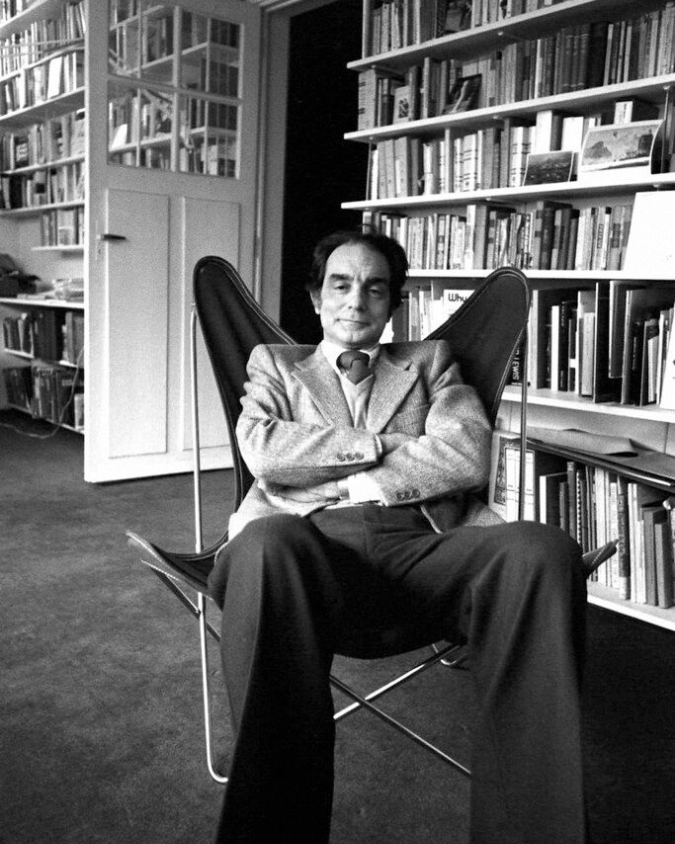
Italo Calvino, considered one of the finest Italian authors, if not in the world, was known for his fable-like stories. His influences notably include Borges, who pioneered the magic realism genre. Another great author who I highly recommend. From what I understand, Italo Calvino was at one point working on a script for a movie on Marco Polo’s journey, which never got made. And years later, he wrote this novel as a meditation on memory and desire.
Of course, we can never know what goes on in the head of the creative, what themes inspire his vision, or what he intends the reader to take away from his words. But no two readers cross the same river, and often take away something that was perhaps never consciously put down on paper. Therein lies the genius of the book of Invisible Cities. Your version of its meaning might contrast completely from mine.
For me, I see the book as a testament to Marco Polo’s longing to return home. Marco, who was kept at the court of Kublai for seven years, as the latter was reluctant to let him go. At one point in the book, Marco states that these descriptions are merely reflections of his home city, Venice. With this, the nature of the narration provokes a Shahrazad-like situation. Whereby, by telling the Arabian tales, she was delaying her execution, Marco invites Kublai into his inner melancholic landscape, requesting a departure from court without asking it outright. And invisible cities rise out of a human landscape.